
Who We Are
Grounded in Research. Driven by Relationship.
The Karyn Purvis Institute of Child Development (KPICD) is part of the Louise Dilworth Davis College of Science & Engineering at TCU in Fort Worth, Texas, with academic programs affiliated with the Department of Psychology. We are the home of Trust‑Based Relational Intervention® (TBRI®) — an internationally recognized, evidence‑informed model for supporting children impacted by trauma.
For more than 20 years, KPICD has advanced trauma‑informed child development through research, education, training, and outreach, equipping students, caregivers, professionals, and organizations to create environments where children can heal and thrive.
Our Mission & Vision
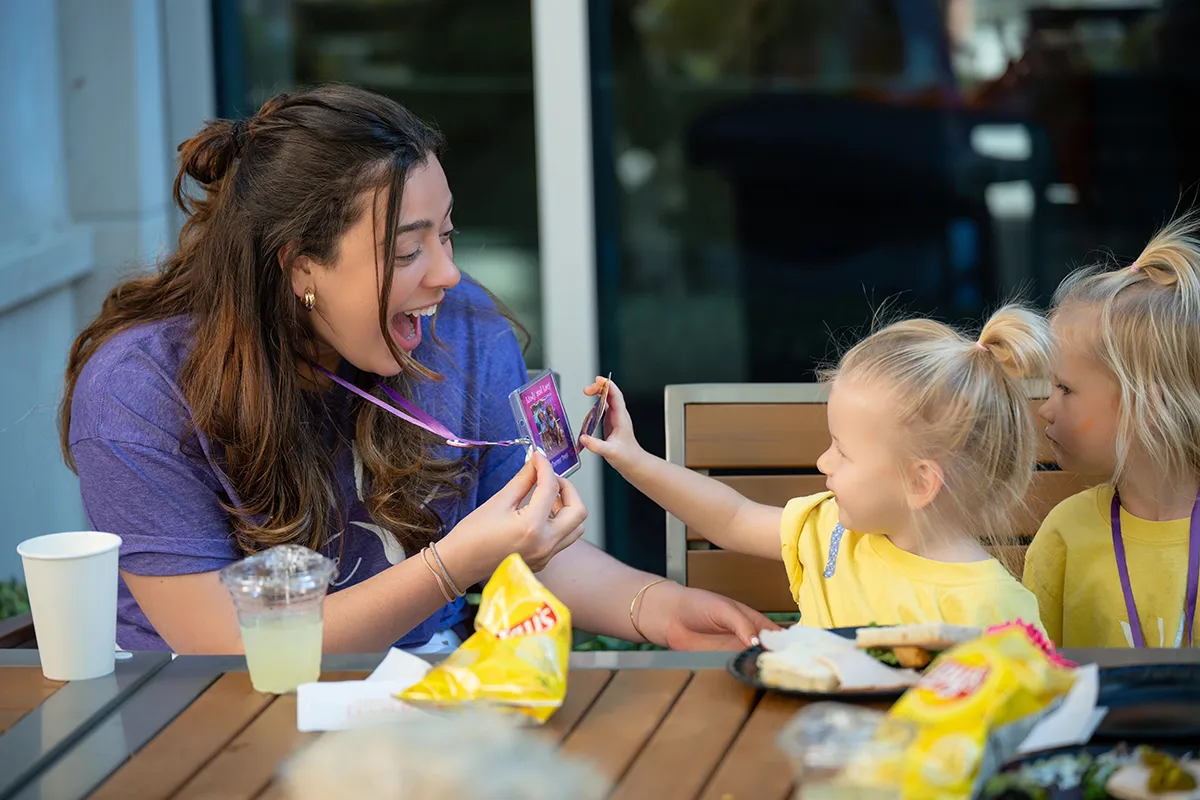
Mission
To improve the lives of children through research, education, and outreach that addresses the impact of early abuse, neglect, and trauma.
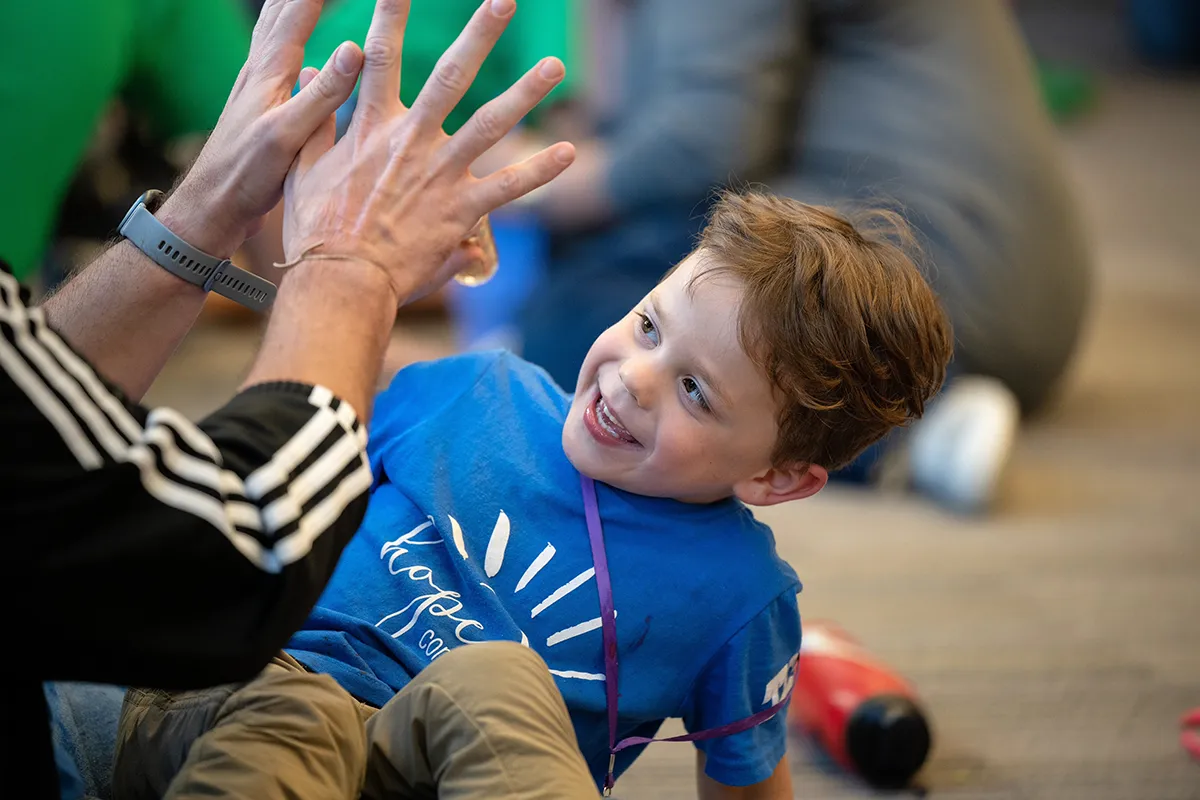
Vision
To bring hope and healing to children around the world.
Our Values
We Root Everything in Relationship
Trust comes before technique. Connection comes before correction. We start by understanding the person, not just the problem–whether we are conducting research, teaching TCU students, training professionals, consulting with organizations, or developing resources. Healthy relationships are not just what we teach; they are how we work. Healing is not standardized. We value different perspectives and real-life experiences, creating spaces that are welcoming and inclusive.
We Practice with Excellence and Integrity
We pursue the highest standards through continuous learning, transparency, and accountability, grounded in good science. We ground our work in both research evidence and field-tested practice. At the KPICD, integrity is foundational to fostering well-being and helping people and communities thrive. Integrity means alignment: our values, words, and actions must match, whether in the classroom, the field, or the community.
We Innovate Through Deep Engagement
Standardized approaches do not work for complex trauma. We observe patterns carefully, adapt and refine TBRI principles thoughtfully, and co-create solutions in partnership with the communities we serve. From individuals and families to entire systems of care–from schools to healthcare to faith-based settings–same principles, adapted application. Innovation happens when we stay curious about what is actually needed, not just what we have always done.
What We Do
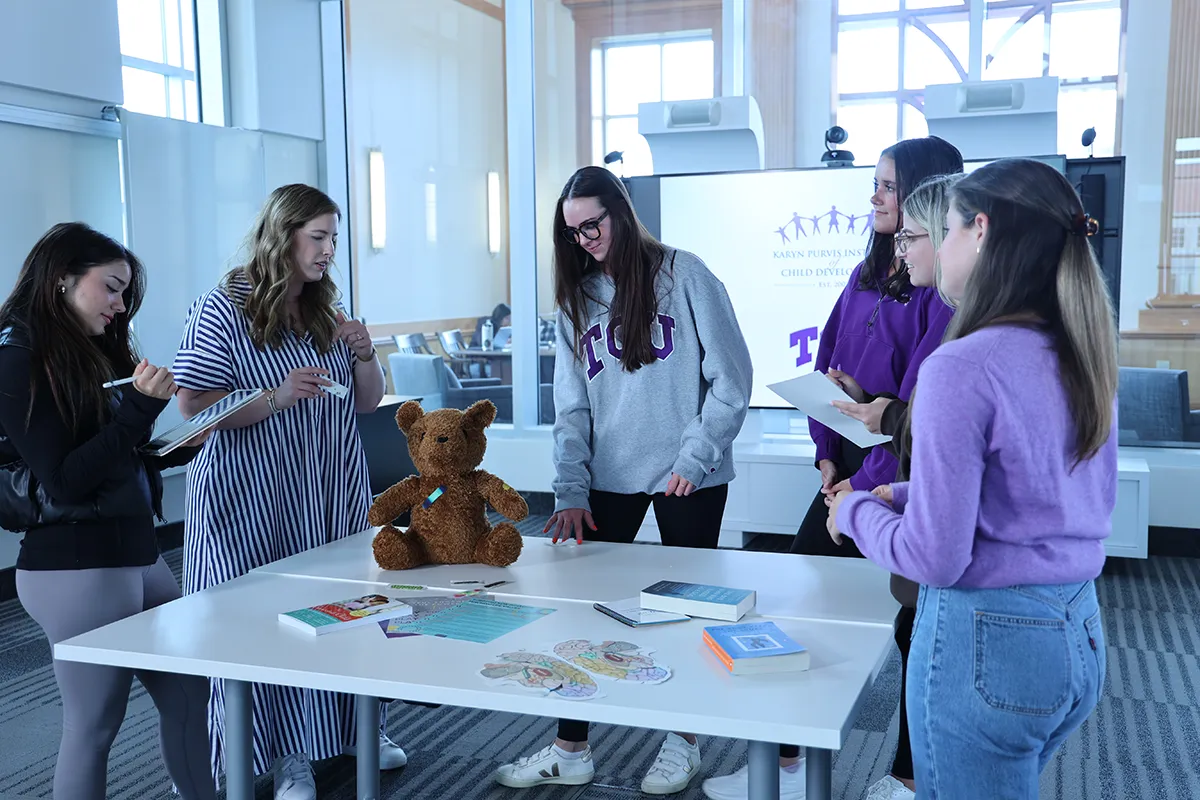
KPICD’s work is rooted at the intersection of science, relationships, and practice. Through our academic programs, professional training, caregiver education, therapeutic camps, and global partnerships, we support children and families across:
- Child welfare and adoption
- Mental and behavioral health
- Education and early childhood settings
- Juvenile justice
- Healthcare and community systems
Our work is grounded in decades of research in neuroscience, attachment theory, sensory processing, and child development, with Trust‑Based Relational Intervention® (TBRI®) serving as a unifying framework across all we do.

Our History
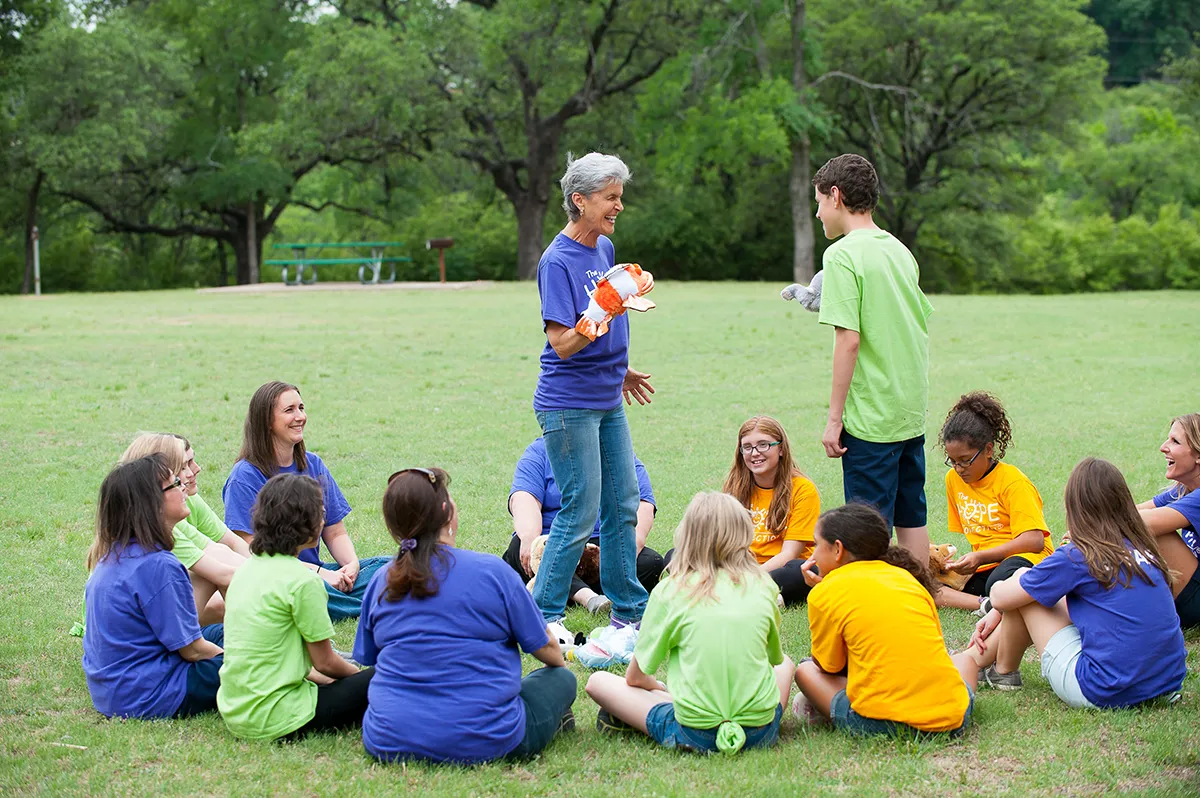
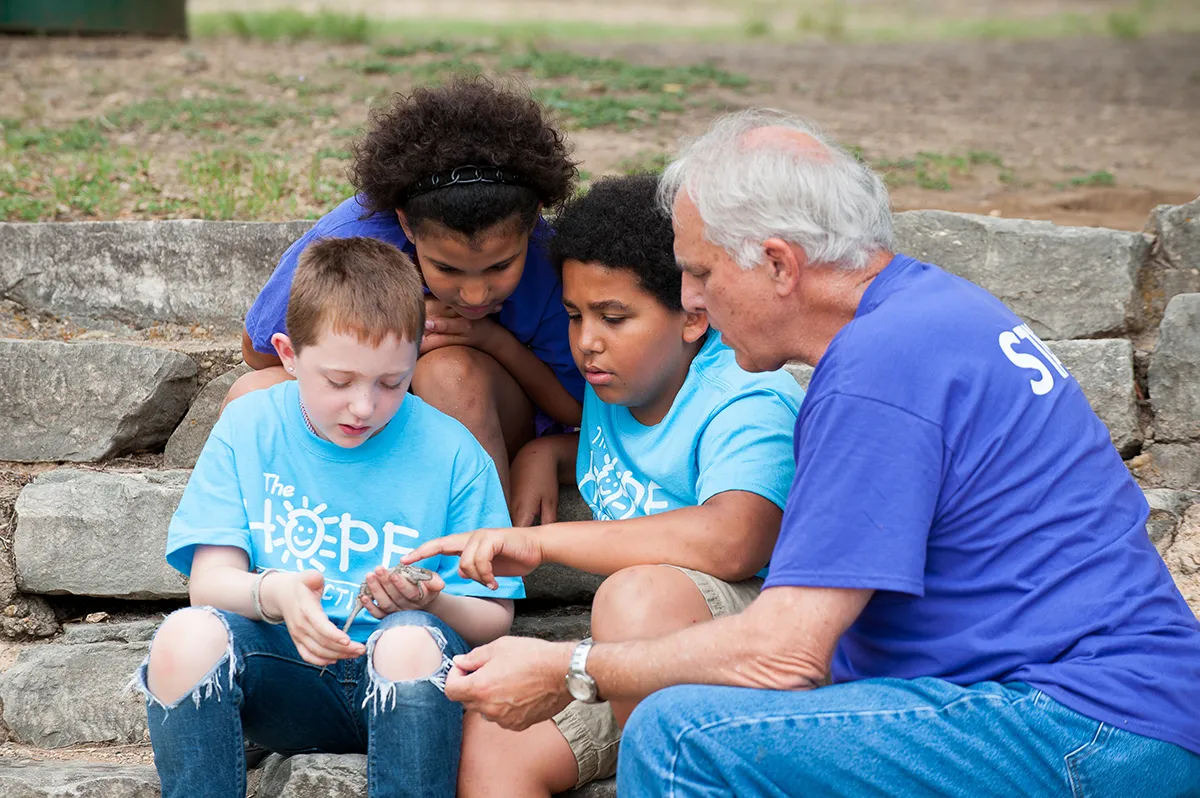
From One Camp to Global Impact
The story of KPICD begins not in a laboratory or boardroom, but with a calling.
After raising her sons, Dr. Karyn Purvis returned to Texas Christian University to complete her undergraduate degree and later earn a Ph.D. in child development. Her doctoral research — conducted alongside her advisor and collaborator Dr. David Cross — led to a summer camp for adopted children that combined intuitive caregiving with rigorous science.
The results from that first camp in 1999 were profound. Families asked for more support, and what followed laid the foundation for an entirely new approach to healing children.
In 2005, TCU formally established the Institute of Child Development to advance this work. Over the next decade, Dr. Purvis and Dr. Cross developed Trust‑Based Relational Intervention® (TBRI®) and co‑authored The Connected Child, now required reading in many foster and adoption programs nationwide.
Following Dr. Purvis’s death in 2016, the institute was renamed in her honor — reflecting both her legacy and the enduring impact of her work.
Growth & Global Reach
What began as a single therapeutic camp is now a globally recognized model used across diverse systems of care.
8,600+ TBRI® Practitioners trained worldwide
Practitioners in all 50 U.S. states, Puerto Rico, and the Navajo Nation
69 countries represented across six continents
Application of Trust‑Based Relational Intervention® (TBRI®) in homes, schools, clinics, agencies, courts, and community organizations
This growth reflects both the flexibility of TBRI® and the shared global commitment to meeting children’s needs through connection and trust.
Our Founders
Dr. Karyn Purvis (1949–2016)
Founder | Former Rees‑Jones Director
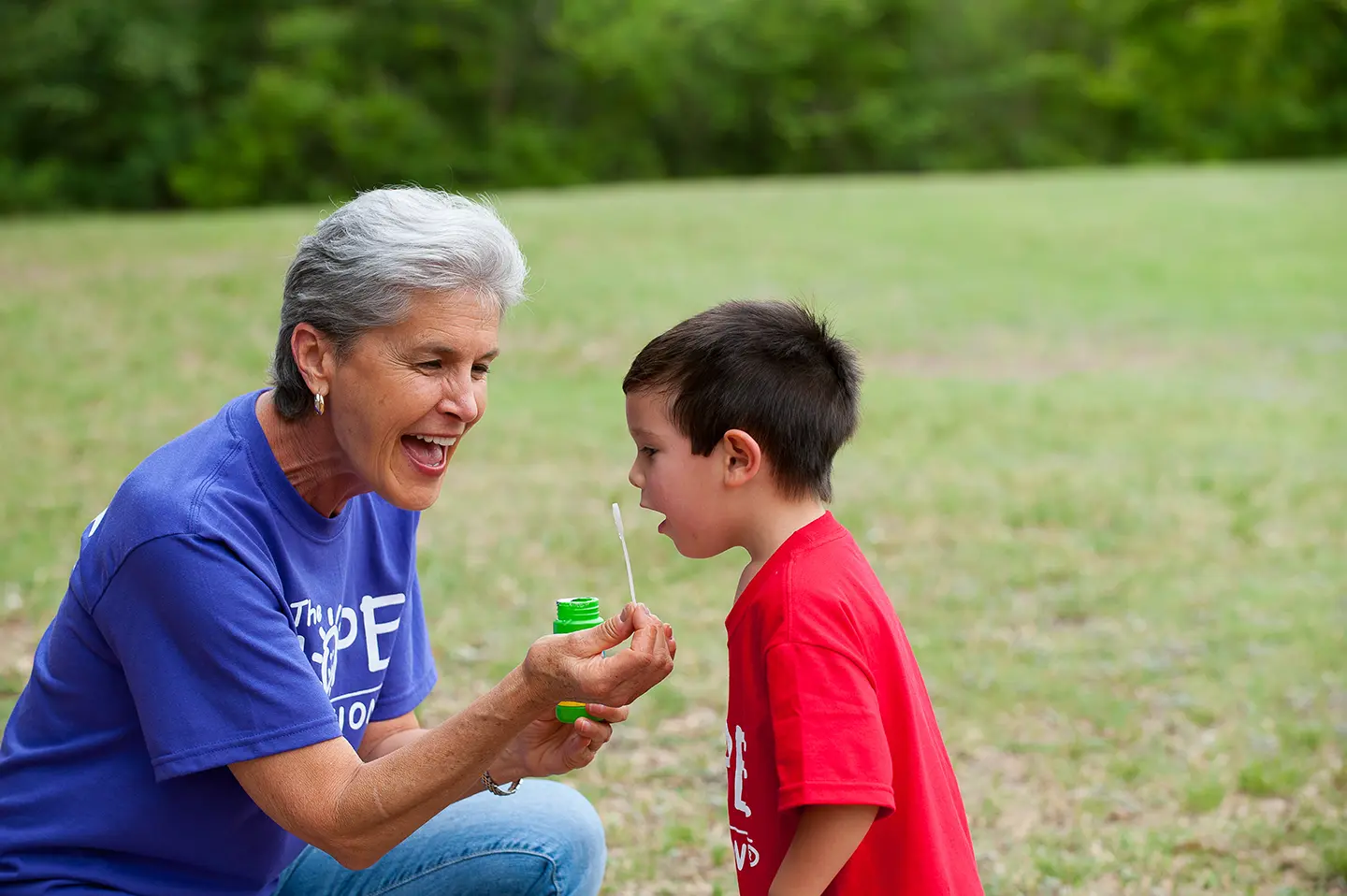
Dr. Karyn Purvis was a renowned researcher, gifted teacher, and tireless advocate for children. Known by many as a “child whisperer,” her work blended rigorous science with deep compassion and practical wisdom.
Dr. Purvis dedicated her life to giving voice to children — teaching parents, professionals, and leaders to respond to children’s needs with empathy, structure, and connection through Trust‑Based Relational Intervention® (TBRI®). Her work received national recognition, including honors such as the T. Berry Brazelton Award for Infant Mental Health Advocacy, the James Hammerstein Award, and a Health Care Hero Award from the Dallas Business Journal.
“If I could tell you my dream for every child in the world,” she once shared, “it would be to imagine a world where the cry of every child is met by a loving, compassionate adult.”
Dr. David Cross
Co‑Founder | Former Rees‑Jones Director
Dr. David Cross is a retired professor in the TCU Department of Psychology and former Rees‑Jones Director of the Karyn Purvis Institute of Child Development. From 2016 to 2022, he led KPICD’s mission of research, education, and outreach following Dr. Purvis’s passing.
An accomplished scholar and educator, Dr. Cross has authored numerous peer‑reviewed publications focused on child development and trauma. At TCU, he taught both undergraduate and graduate courses before retiring in 2022. He continues to share insights and reflections on TBRI® through writing and contributions to the TBRI® Podcast.